

You’ve lived in your home for years. Maybe decades. It’s been fine. No one’s gotten sick. Nothing’s fallen apart. So why are people suddenly telling you that you need to worry about asbestos?
Because asbestos doesn’t announce itself. It doesn’t smell, doesn’t change colour when it’s releasing fibres, and doesn’t trigger any immediate symptoms when you’re exposed. By the time health problems show up—if they show up—it’s 20, 30, sometimes 40 years down the line. And by then, the damage is done.
That’s what makes asbestos so insidious. It’s a silent hazard, and most homeowners don’t realise they need remediation until something forces the issue—a renovation, a property sale, or a piece of damaged material that can’t be ignored anymore.
If your home was built or renovated before 1990, there’s a very real chance asbestos is in the structure somewhere. And while it’s not always an emergency, there are specific situations where remediation stops being optional and becomes urgent.
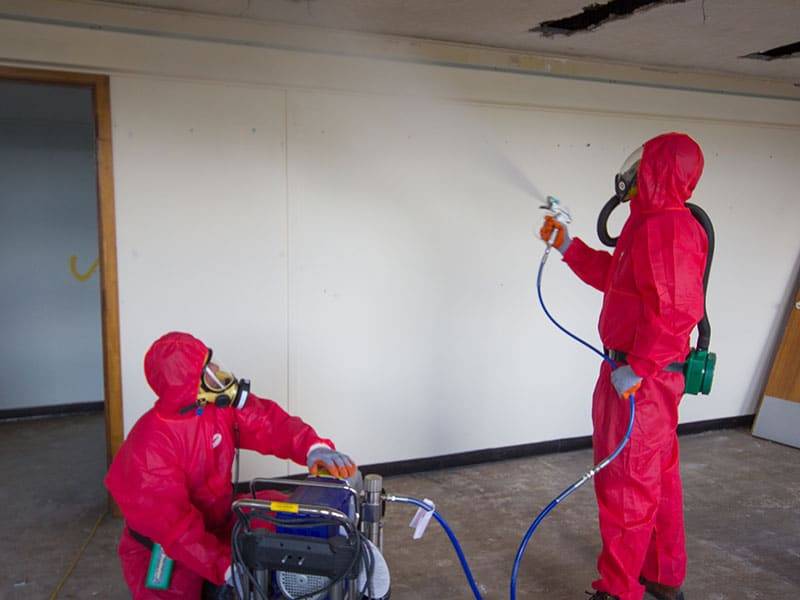
If you are unsure whether asbestos may be present, it is important to understand how professional asbestos remediation works.
The Age Factor: When Your Home’s History Becomes a Risk
Let’s start with the most obvious indicator: the age of your property.
Asbestos was used extensively in Australian construction from the 1940s through the late 1980s. It was cheap, durable, fire-resistant, and versatile—everything you’d want in a building material if you didn’t know it could kill you.
In NSW, asbestos use was widespread until the mid-1980s, when local councils started implementing bans. The federal government didn’t ban asbestos entirely until December 31, 2003, but by the 1990s, most builders had already phased it out.
If your home was built or renovated before 1990, the odds are high that asbestos-containing materials are somewhere in the structure. That doesn’t automatically mean you need remediation right now—but it does mean you need to know what’s there and monitor its condition.
Sign 1: You’re Planning a Renovation or Demolition
This is the most common trigger for asbestos remediation, and it’s non-negotiable under NSW law.
If you’re renovating, extending, or demolishing a property built before 1990, you’re legally required to have an asbestos inspection before work begins. It doesn’t matter if you think there’s no asbestos—the law assumes it’s there until proven otherwise.
Here’s why: renovation and demolition work disturbs materials. Walls get knocked down. Ceilings get ripped out. Floors get stripped. And if any of that material contains asbestos, the disturbance releases fibres into the air—exposing everyone on site.
SafeWork NSW is clear on this: if your renovation will impact asbestos-containing materials, licensed removal is mandatory. Ignoring this requirement doesn’t just put people at risk—it can result in fines, legal liability, and a contaminated property that’s expensive to remediate after the fact.
Many property owners only discover asbestos during renovation projects.
Sign 2: Visible Damage to Known or Suspected Asbestos Materials
Asbestos that’s intact and in good condition is relatively low-risk. But damaged asbestos is a different story.
Cracks, chips, breakage, water damage, or deterioration can all cause asbestos fibres to become friable—meaning they can crumble and release into the air. Once that happens, the material shifts from being a passive hazard to an active one.
Common areas where damage occurs:
- Fibro sheeting on external walls that’s weathered, cracked, or broken
- Asbestos cement roofing that’s fractured or degraded from years of sun exposure
- Vinyl floor tiles where the backing has crumbled or the adhesive is breaking down
- Insulation materials in roof spaces that have been disturbed by pests, leaks, or foot traffic
- Eaves and soffits that have been damaged by storms or impact
If you can see visible damage to material that could contain asbestos, don’t touch it, don’t try to repair it yourself, and don’t wait for it to get worse. Get a licensed asbestos assessor to inspect the material and recommend next steps.
Sign 3: You’re Selling or Buying a Property
Property transactions are one of the biggest drivers of asbestos remediation in NSW—and for good reason.
Disclosure laws require sellers to inform buyers of any known asbestos in the property. If you’re selling a home built before 1990 and you haven’t had an asbestos inspection, you’re taking a significant legal risk. Buyers can back out of contracts, demand price reductions, or even pursue legal action if undisclosed asbestos is discovered after settlement.
On the flip side, if you’re buying a property and the seller hasn’t provided an asbestos report, it’s worth getting your own pre-purchase inspection. Asbestos remediation isn’t cheap, and finding out after you’ve signed the contract can turn a dream home into a financial burden.
Some buyers will walk away from properties with known asbestos. Others will negotiate for the seller to handle remediation before settlement. Either way, it’s better to know upfront than to deal with surprises later.
Sign 4: You’ve Discovered Loose-Fill Asbestos Insulation
This one’s a category of its own—and it’s serious.
Loose-fill asbestos insulation is raw, crushed friable asbestos that was installed in ceiling spaces of some NSW homes during the 1960s and 70s. It looks like fluffy grey or white material, and it’s extremely dangerous because it breaks apart easily and releases fibres into the air.
If you suspect your home has loose-fill asbestos insulation, do not enter the ceiling space. Do not disturb it. Do not attempt to remove it yourself.
Contact a licensed asbestos assessor immediately. NSW Fair Trading maintains a public register of homes that have tested positive for loose-fill asbestos, and there’s a government program that may cover voluntary purchase and demolition of affected properties.
If your property is confirmed to have loose-fill asbestos, remediation isn’t optional—it’s mandatory, and the property will need to display warning signage until the issue is resolved.
Sign 5: You’re Seeing Unusual Dust or Debris Around Old Materials
Asbestos doesn’t always announce itself with obvious damage. Sometimes the warning signs are subtler: dust accumulating around old sheeting, powdery residue near broken tiles, or fine particles in areas where materials are deteriorating.
This is especially common in:
- Garages and sheds where asbestos cement sheeting has aged and started to break down
- Underfloor areas where old insulation or pipe lagging is crumbling
- Roof spaces where ceiling materials have been disturbed by animals, leaks, or ventilation work
If you’re noticing unusual dust or debris around materials that could be asbestos, that’s a red flag. Don’t try to clean it up with a regular vacuum (which will just spread the fibres), and don’t assume it’s harmless. Get it tested.
Sign 6: You’ve Had Flooding, Fire, or Storm Damage
Natural disasters and severe weather events can compromise asbestos materials that were previously stable.
Flooding can saturate asbestos cement sheeting, causing it to swell, crack, and deteriorate. Fire can damage asbestos insulation and roofing, making it friable. Storms can break or dislodge asbestos fencing, eaves, and roof sheets.
After any significant event that’s damaged your property, it’s worth having a licensed assessor inspect for asbestos contamination—especially if you’re planning repairs or cleanup work that could disturb affected materials.
The NSW EPA has specific guidelines for managing asbestos in flood-damaged properties, and following those guidelines can prevent contamination from spreading during the recovery process.
Sign 7: Workers or Contractors Have Raised Concerns
Sometimes the first sign you need asbestos remediation comes from someone else—a tradesperson, an electrician, a plumber, or a contractor who’s been in your roof space or under your floors.
If a professional raises concerns about possible asbestos, take it seriously. They’re not trying to create extra work—they’re protecting themselves and you from liability.
Under NSW workplace health and safety laws, tradespeople are required to stop work if they encounter asbestos that wasn’t disclosed or identified in advance. They’re not allowed to disturb it, and they’re not allowed to continue until the material has been assessed and managed by a licensed professional.
If this happens on your property, the next step is to bring in a licensed asbestos assessor to confirm what’s there and develop a remediation plan.
Sign 8: You’re Running a Commercial Property or Workplace
For commercial property owners, asbestos management isn’t just about health—it’s a legal obligation.
Under the Work Health and Safety Regulation, businesses must maintain an asbestos register that identifies all known or suspected asbestos-containing materials on site. This register must be reviewed regularly, and any damaged or at-risk materials must be managed or removed.
If you own or manage a commercial building, warehouse, factory, or industrial site built before 1990, you’re required to have an asbestos management plan in place. This plan should outline:
- Where asbestos is located
- The condition of each material
- Control measures to prevent disturbance
- Monitoring and review schedules
- Procedures for remediation or removal when needed
Failing to maintain an asbestos register or allowing workers to be exposed to asbestos can result in significant fines and criminal prosecution under SafeWork NSW regulations.
What to Do If You’ve Identified Any of These Signs
If any of these scenarios apply to you, here’s what to do next:
Step 1: Don’t Disturb the Material
If you suspect asbestos, leave it alone. Don’t drill, cut, sand, or break it. Don’t try to clean it up. Don’t let anyone else work on it until it’s been assessed.
Step 2: Hire a Licensed Asbestos Assessor
Contact a licensed professional to inspect the suspected material and take samples for lab analysis. In NSW, assessors are listed on SafeWork NSW’s public register.
Step 3: Get a Remediation Plan
If asbestos is confirmed, work with a licensed contractor to develop a remediation plan. Depending on the situation, this might involve removal, encapsulation, or a management strategy.
Step 4: Use Licensed Contractors
Never attempt DIY remediation. Always hire contractors with valid NSW asbestos removal licences and verify their credentials before work begins.
Step 5: Obtain Clearance Certificates
After remediation is complete, ensure you receive independent clearance certificates and air monitoring reports. These documents prove the work was done correctly and protect you from future liability.
When to Act—and When You Can Wait
Not every asbestos situation requires immediate remediation. If the material is intact, in good condition, and not going to be disturbed, it may be safer to leave it in place and monitor it over time.
But if you’re seeing damage, planning renovations, dealing with property transactions, or managing a commercial site, waiting isn’t an option. The longer you delay, the more likely contamination becomes—and the more expensive and complex remediation gets.
At WBS Engineers, we help NSW property owners assess asbestos risks and develop practical remediation strategies that balance safety, compliance, and cost. Whether you’re dealing with minor damage to a single sheet of fibro or facing a large-scale contamination issue across multiple building elements, we’ve got the licences, experience, and ISO-certified systems to handle it right.
Our team has worked on hundreds of asbestos projects across residential, commercial, and industrial sites throughout NSW. We’ve handled everything from straightforward fence removals to complex friable asbestos remediation in occupied buildings, soil contamination from historical demolition, and emergency response situations where immediate action was required.
What our clients value most is our transparent approach. We don’t use scare tactics or pressure you into immediate decisions. Instead, we conduct thorough assessments, provide clear explanations of your options, and give you honest recommendations about whether remediation is urgent or something that can be planned for down the track. We understand that asbestos decisions involve real money and real disruption to your life or business, so we make sure you have all the information you need to make the right choice.
When you work with WBS Engineers, you’re getting more than just asbestos removal—you’re getting a partner who takes accountability for the entire process, from first inspection through final clearance certification.
Asbestos isn’t something you can ignore your way out of. But with the right approach, it’s something you can manage—and eliminate—safely.