

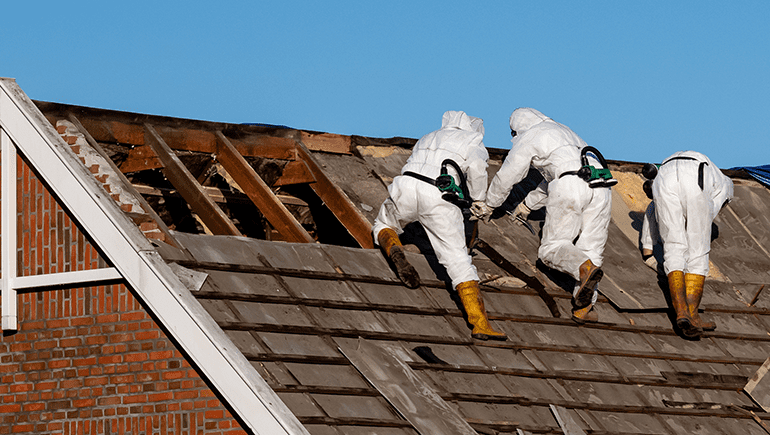
There’s a reason asbestos remediation is heavily regulated in New South Wales. It’s not red tape for the sake of bureaucracy—it’s a system built on decades of hard lessons about what happens when corners get cut, when people underestimate the risk, or when jobs are done by someone who doesn’t know what they’re doing.
Around 4,000 Australians die every year from asbestos-related diseases. That’s double the national road toll. And the worst part? Every single one of those deaths was preventable. Asbestos doesn’t kill you the day you’re exposed—it takes decades. But when it does catch up, there’s no cure, no reversal, and no second chances.
That’s why the asbestos remediation process exists the way it does. It’s methodical, regulated, and unforgiving of mistakes—because those mistakes have consequences that compound over time.
Why the Process Matters More Than the Material
Here’s something most people don’t realise until they’re knee-deep in a remediation project: the material itself isn’t always the biggest problem. It’s how you handle it.
Asbestos sitting undisturbed in a ceiling or behind a wall? Relatively low risk. Asbestos that gets cut, drilled, sanded, or smashed apart? That’s when fibres go airborne. That’s when people get exposed. That’s when a manageable hazard turns into a health crisis.
Licensed asbestos remediation contractors don’t just know how to remove the material—they know how to control every stage of the process so that fibres never become airborne, contamination never spreads, and the site is left cleaner than it was when they started.
The difference between a professional job and a botched one isn’t always visible to the naked eye. But it shows up in air quality tests, in clearance certificates, and—most importantly—in the health outcomes of everyone involved.
Stage 1: Pre-Work Assessment and Planning
Before any physical work begins, a licensed asbestos assessor conducts a thorough inspection of the site. This isn’t a quick walk-through with a clipboard. It’s a detailed evaluation that identifies:
- The type of asbestos present (friable or non-friable)
- The condition of the material (intact, damaged, deteriorating)
- The location and extent of contamination
- Access points, confined spaces, and site-specific hazards
- Proximity to occupied areas or sensitive environments
Samples are collected and sent to a NATA-accredited laboratory for analysis. This isn’t guesswork—NSW regulations require that any asbestos identification be backed by lab-confirmed testing.
Once the assessment is complete, a remedial action plan is developed. This document becomes the blueprint for the entire project. It outlines:
- The scope of work and remediation method (removal, encapsulation, or management)
- Safety controls and protective measures
- Air monitoring protocols
- Waste disposal procedures
- Validation and clearance requirements
In NSW, this plan must comply with the State Environmental Planning Policy (Resilience and Hazards) and be prepared by a suitably qualified contaminated land consultant. It’s not optional paperwork—it’s a legal requirement that ensures accountability at every stage.
Stage 2: Site Preparation and Containment
Once the plan is approved, the real work begins. But before any asbestos gets touched, the site has to be prepared.
Establishing Work Zones
The contaminated area is isolated from the rest of the property. This means physical barriers, signage, and restricted access. No one without proper training and protective equipment enters the work zone.
For indoor remediation, contractors establish negative air pressure enclosures. These are sealed rooms where air is continuously pulled inward and filtered through HEPA units, preventing fibres from escaping into adjacent areas. Think of it like a controlled vacuum—nothing gets out.
Setting Up Decontamination Units
Every person entering and exiting the work zone goes through a decontamination process. This typically involves a three-stage system:
- Dirty room – where protective gear is removed and sealed in bags
- Shower room – where workers clean themselves before leaving
- Clean room – where street clothes are put back on
This system ensures that asbestos fibres don’t hitch a ride out of the work zone on someone’s clothes, boots, or equipment.
Air Monitoring Setup
Licensed contractors place air monitoring equipment both inside and outside the work zone. This provides real-time data on fibre concentrations and confirms that containment measures are working.
Stage 3: The Actual Remediation Work
This is where training, equipment, and strict protocols come into play.
Personal Protective Equipment (PPE)
Workers are fitted with full-body disposable suits, P1 or P2 respirators (depending on the level of risk), gloves, and safety boots. These aren’t optional—they’re the minimum standard required by SafeWork NSW for anyone handling asbestos.
Wet Methods and Suppression
One of the most effective ways to prevent fibres from becoming airborne is to keep materials wet during removal. Contractors spray asbestos sheeting, insulation, or soil with water and wetting agents before cutting, breaking, or lifting it. This binds the fibres and drastically reduces the risk of airborne contamination.
Controlled Removal Techniques
Asbestos isn’t ripped out—it’s carefully dismantled. Fasteners are removed, not broken. Materials are lowered, not dropped. Every step is deliberate, minimising disturbance and keeping fibres contained.
For friable asbestos, the process is even more stringent. Negative air units run continuously, and materials are often double-bagged immediately after removal to prevent any release.
Waste Handling and Transport
Removed asbestos is sealed in heavy-duty polyethylene bags, labelled with hazard warnings, and placed in rigid containers for transport. NSW law prohibits mixing asbestos waste with regular construction debris—it must be transported separately and delivered to a licensed disposal facility.
Licensed asbestos waste facilities in NSW are equipped to handle the material safely, ensuring it’s buried in designated landfills where it can’t be disturbed or re-enter the environment.
Stage 4: Decontamination and Clearance
Once all asbestos is removed from the site, the work zone undergoes a thorough decontamination process.
HEPA Vacuuming
Every surface inside the work zone is vacuumed with industrial HEPA filtration systems. These vacuums are specifically designed to capture microscopic asbestos fibres that would pass right through a standard vacuum filter.
Wet Wiping
After vacuuming, surfaces are wet-wiped with damp cloths to capture any remaining dust or fibres. Disposable wipes are used and then sealed in asbestos waste bags.
Visual Inspection
The contractor conducts a visual inspection to confirm that no visible asbestos debris remains. This includes checking floors, walls, fixtures, and any equipment that was in the work zone.
Air Clearance Testing
Here’s the part that separates professional remediation from amateur attempts: independent air monitoring. A third-party licensed assessor—not the contractor who did the removal—conducts air quality tests using specialised sampling equipment.
Air samples are collected from the work zone and analysed by a NATA-accredited laboratory. The results are compared against safe exposure limits set by SafeWork NSW and the National Occupational Health and Safety Commission.
If fibre concentrations are below the threshold, the site passes clearance. If not, the area is re-cleaned and retested until it meets the standard.
This independent validation is critical. It’s the proof that the site is safe for reoccupation, and it protects property owners from liability down the track.
Stage 5: Documentation and Compliance
The final stage of asbestos remediation isn’t glamorous, but it’s arguably one of the most important: documentation.
Licensed contractors provide:
- A clearance certificate confirming the site meets regulatory standards
- Waste disposal receipts from licensed landfills
- Air monitoring reports from independent assessors
- Photographic evidence of the remediation process
- Updated asbestos registers (if applicable) showing what was removed and what remains
In NSW, these records are essential for property sales, insurance claims, and future renovations. They’re also required under workplace health and safety laws for commercial properties.
For contaminated land sites regulated by the NSW EPA, the documentation becomes part of the site’s environmental record and may be required for land use approvals or future development applications.
What Happens When the Process Isn’t Followed
Every so often, a property owner or unlicensed contractor decides to take shortcuts. Maybe they skip the air monitoring. Maybe they don’t wet the material before removal. Maybe they dump the waste at a regular tip.
The consequences can be severe—and they don’t always show up immediately.
Health Risks
Improper remediation can spread asbestos fibres throughout a property, contaminating areas that were never affected in the first place. Occupants may be unknowingly exposed for months or years before the contamination is discovered.
Legal and Financial Liability
SafeWork NSW can issue fines exceeding $7,500 for illegal asbestos removal or disposal. In serious cases, individuals can face criminal charges and imprisonment.
Property owners who hire unlicensed contractors can be held liable for improper work, even if they didn’t do the removal themselves. If a future occupant or worker develops an asbestos-related disease, that liability can extend to compensation claims that reach into the millions.
Property Value and Insurability
A property with a history of botched asbestos work becomes difficult to sell and expensive to insure. Buyers will demand clearance certificates. Insurers will want proof of compliance. If you can’t provide that documentation, you’re stuck with a property that’s lost value and credibility.
Why WBS Engineers Follows the Process to the Letter
At WBS Engineers, we don’t cut corners because we know what’s at stake. Our teams hold Class A and Class B asbestos removal licences, and we operate under ISO-certified safety management systems that are audited regularly to ensure compliance with both national and NSW-specific standards.
We’ve been working in asbestos remediation across NSW since the industry’s early days, handling everything from simple residential roof removals to complex commercial and industrial projects involving friable materials, soil contamination, and multi-stage remediation. That experience has taught us that there’s no substitute for following proper procedure—every single time.
Our approach isn’t just about compliance—it’s about creating safe, validated outcomes that protect our clients and their properties for the long term. We handle everything from the initial assessment through to final clearance, and we work with independent consultants to ensure every job meets NSW’s strictest standards.
When you hire WBS Engineers, you’re not just getting asbestos removed—you’re getting documented proof that it was done right, clearance certificates that stand up to scrutiny, and a contractor who takes full accountability for the work. We don’t consider a project complete until the site passes independent air quality testing and you have comprehensive documentation in hand.
Asbestos remediation done right takes longer, costs more, and involves more paperwork than a quick-and-dirty removal. But it’s the only approach that actually works—and it’s the only one that keeps people safe.