


If you own a property built before 1990 in New South Wales, there’s a decent chance asbestos is somewhere in the structure. Maybe it’s in the eaves, the roof sheeting, or buried in floor tiles you’ve walked over a thousand times. For years, it might’ve been fine—silent, stable, invisible. But now you’re planning a renovation, or an inspector’s flagged something during a sale, and suddenly “asbestos remediation” is a term you can’t ignore.
Here’s the thing: asbestos remediation isn’t just a fancy word for removal. It’s a broader, more strategic process—one that’s designed to protect you, your family, and anyone who steps foot on your property. And if you’re going to deal with asbestos the right way, it helps to understand what remediation actually involves.
What Does Asbestos Remediation Actually Mean?
Let’s start with the basics. Asbestos remediation is the process of managing, containing, or removing asbestos-containing materials from a site so they no longer pose a health risk. The goal isn’t always to rip everything out—sometimes the safest approach is to leave well enough alone, as long as the material stays intact and undisturbed.
Remediation can take several forms depending on the condition of the asbestos, where it’s located, and what you’re planning to do with the property. It might mean complete removal, encapsulation (sealing the material to prevent fibre release), or implementing a management plan that monitors the asbestos over time.
In NSW, this process is tightly regulated. Under the Protection of the Environment Operations Act and related contaminated land legislation, any remediation work must follow a documented plan, be carried out by licensed professionals, and meet strict validation standards. It’s not a DIY weekend project—it’s a controlled operation that requires expertise, proper equipment, and legal compliance.
Why Remediation Matters More Than You Think
Asbestos fibres are microscopic. You can’t see them, smell them, or feel them in the air. But once they’re inhaled, they lodge deep in your lungs and stay there for decades. Over time, those fibres can cause asbestosis, lung cancer, or mesothelioma—diseases that often don’t show symptoms until 20, 30, even 40 years after exposure.
That’s what makes asbestos so dangerous. It’s not an immediate threat like a gas leak or electrical fault. It’s a slow-burn hazard that compounds over time, which is exactly why proper remediation is non-negotiable.
For homeowners, remediation protects your family. For developers, it clears the way for safe construction. For commercial property owners, it’s about compliance, liability, and creating a workspace where people aren’t unknowingly exposed to a known carcinogen.
The Three Main Approaches to Asbestos Remediation
Not all asbestos situations call for the same solution. Depending on the assessment, your remediation plan might include one of three strategies:
1. Removal
This is what most people picture when they hear “asbestos remediation”—the complete extraction and disposal of asbestos materials from the site. Removal is typically recommended when the asbestos is damaged, deteriorating, or located in an area that’s about to be renovated or demolished.
Friable asbestos—material that crumbles easily and releases fibres into the air—must always be removed by a licensed professional. Non-friable (bonded) asbestos, like cement sheeting, can sometimes be managed without removal if it’s in good condition, but anything over ten square metres legally requires a licensed removalist in NSW.
2. Encapsulation
Encapsulation involves sealing asbestos materials with a specialised coating that binds the fibres and prevents them from becoming airborne. It’s a less invasive option that can be cost-effective when the asbestos is stable and unlikely to be disturbed in the future.
The downside? Encapsulation isn’t permanent. Over time, the sealant can degrade, especially in high-moisture environments or areas exposed to wear and tear. It’s a solution that buys time, but it doesn’t eliminate the problem entirely.
3. Management in Place
Sometimes the safest thing to do is nothing—or rather, to monitor and manage the asbestos without disturbing it. If the material is in good condition, not located in a high-traffic area, and isn’t going to be affected by renovations, a management plan might be the best option.
This approach involves regular inspections, proper labelling, and documentation to ensure future occupants or contractors know the asbestos is there. It’s common in commercial buildings where asbestos is embedded in structural elements that won’t be touched for years.
The Remediation Process: What Actually Happens
Here’s how asbestos remediation typically unfolds in NSW:
Step 1: Assessment and Testing
Before anything gets removed, you need to know what you’re dealing with. A licensed asbestos assessor inspects the property, takes samples, and sends them to a NATA-accredited lab for analysis. This confirms whether asbestos is present, what type it is, and its condition.
Step 2: Remedial Action Plan
Based on the assessment, a qualified consultant develops a remedial action plan. This document outlines the scope of work, safety measures, disposal methods, and compliance requirements. In NSW, this plan must align with state environmental planning policies and contaminated land regulations.
Step 3: Licensed Remediation Work
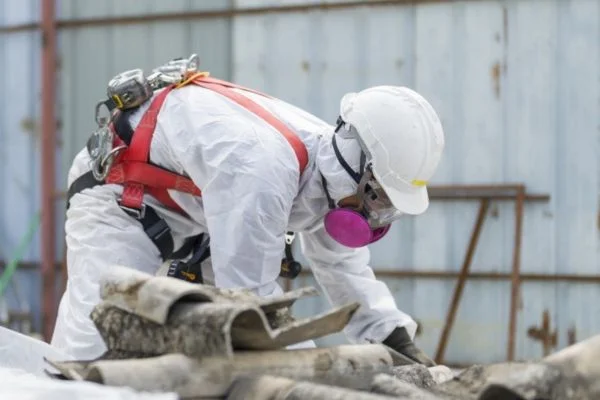
The actual remediation is carried out by licensed asbestos professionals using controlled methods—negative air pressure units, decontamination facilities, HEPA filtration, and protective gear. Work areas are sealed off, air quality is monitored, and materials are double-bagged and transported to licensed disposal facilities.
Step 4: Independent Validation
Once remediation is complete, an independent consultant conducts clearance inspections and air monitoring to verify that the site is safe. This validation is essential—it’s the proof that the job was done right and that the property meets regulatory standards for its intended use.
When Is Remediation Legally Required?
NSW law doesn’t mandate that you remove every piece of asbestos from your property—but there are situations where remediation becomes legally necessary.
If you’re renovating or demolishing a building constructed before 1990, you’re required to have an asbestos assessment. If the work will disturb asbestos materials, licensed removal is mandatory. If you’re selling a property, disclosure laws require you to inform buyers about known asbestos, which often triggers remediation as part of the sale.
For contaminated sites where asbestos poses a significant risk to human health or the environment, the NSW EPA can issue orders requiring remediation under the Contaminated Land Management Act. This is less common for residential properties but can happen in cases of illegal dumping or severe contamination.
Why You Should Never Attempt DIY Remediation
Technically, NSW law allows homeowners to remove small amounts of non-friable asbestos from their own properties. But just because you legally can doesn’t mean you should.
Asbestos remediation requires specialised knowledge—understanding fibre types, safe handling procedures, disposal regulations, and contamination risks. It requires equipment most people don’t have access to: respirators with P1 or P2 filters, disposable coveralls, decontamination units, and sealed transport containers.
And here’s the part that really matters: if you get it wrong, you’re not just putting yourself at risk. You’re potentially contaminating your entire property, exposing your family, and creating a liability nightmare that could cost tens of thousands of dollars to fix.
Licensed remediation contractors aren’t just following rules for the sake of paperwork. They’re trained to handle one of the most dangerous building materials ever used, and they carry insurance and certifications that protect you if something goes wrong.
At WBS Engineers, we’ve been called in too many times to fix botched DIY attempts or clean up after unlicensed contractors. What starts as a $2,000 professional removal turns into a $15,000 contamination cleanup when someone tries to save money by doing it themselves. The materials spread, the fibres contaminate living areas, and suddenly what seemed like a straightforward job becomes a full-scale remediation emergency requiring complete decontamination protocols.
What to Look for in a Remediation Contractor
If you’re hiring someone to handle asbestos remediation, here’s what you need to verify:
- Valid NSW Asbestos Removal Licence: Check SafeWork NSW’s public register. Friable asbestos requires a Class A licence; non-friable over ten square metres needs a Class B licence.
- ISO-Certified Safety Management: Reputable contractors maintain ISO-certified systems that ensure consistent quality and regulatory compliance.
- Public Liability and Workers’ Compensation Insurance: Accidents happen. Make sure you’re covered.
- Transparent Quoting and Documentation: A professional contractor provides detailed quotes, clear timelines, and keeps thorough records of every stage of the job.
At WBS Engineers, we’ve been handling asbestos remediation across NSW for years, and we’ve seen every scenario imaginable—from straightforward fence removals to complex multi-material residential projects and large-scale commercial remediation. We hold full Class A and B licences for both friable and non-friable asbestos remediation, which means we’re qualified to handle any asbestos situation you might face.
Our teams operate under ISO-certified safety and quality management protocols, ensuring that every project—regardless of size—receives the same rigorous attention to detail and compliance standards. We handle everything from initial assessment through to final validation, working with independent consultants to ensure your project meets NSW’s strictest regulatory requirements.
What sets us apart is our commitment to transparency. We provide detailed quotes that break down every cost component, clear timelines that account for assessment, remediation, and clearance, and comprehensive documentation that proves the work was done right. We don’t disappear after removal—we stay involved until you have clearance certificates in hand and full peace of mind.
The Bottom Line
Asbestos remediation isn’t something to rush into, but it’s also not something to avoid. Whether you’re renovating, selling, or just want peace of mind, understanding your options and working with licensed professionals gives you control over a situation that otherwise feels overwhelming.
Done right, remediation doesn’t just remove a hazard—it restores safety, protects long-term property value, and ensures that your building is fit for purpose without putting anyone at risk.
And in NSW, where regulations are clear and enforcement is real, doing it right is the only option that makes sense.



Pingback: 8 Signs You Need Asbestos Remediation in NSW | WBS Engineers