


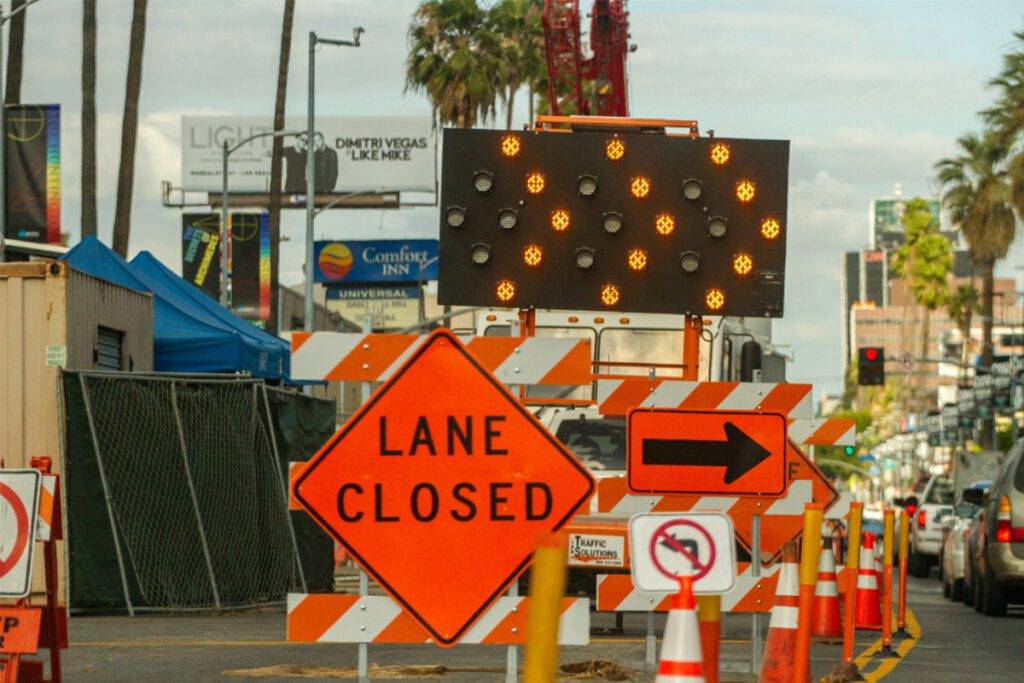
Road closures are an unavoidable part of civil and infrastructure construction projects across New South Wales. Whether rebuilding pavement, upgrading underground utilities, or delivering stormwater infrastructure, managing traffic and public access safely is critical to successful project delivery.
In NSW, where major roads carry thousands of vehicles daily, poor planning during closures can quickly lead to safety risks, community disruption, and costly delays. At WBS Engineers, structured risk management during road closures forms a core part of our civil works methodology — ensuring compliance, safety, and minimal impact on surrounding communities.
Understanding the Risks
Every road closure presents a unique set of challenges, and effective risk management begins with understanding those risks. These typically include:
- Traffic hazards — increased congestion, driver confusion, and vehicle accidents.
- Pedestrian safety — limited access and unsafe crossings in active work zones.
- Emergency response delays — limited routes for ambulances, fire, or police services.
- Community impact — noise, dust, access restrictions, and business disruption.
- Environmental factors — runoff, dust emissions, and ground disturbance near waterways.
At WBS Engineers, we manage these challenges through structured planning, certified safety systems, and open communication with clients, authorities, and the community.
Common Risk Factors in NSW Road Closure Projects
While every project differs, road closures in New South Wales commonly face additional pressures such as high traffic volumes, strict council regulations, and coordination with Transport for NSW. Failing to manage these variables can result in project delays, penalties, or reputational damage.
Effective civil contractors anticipate these risks early and integrate mitigation strategies into the planning phase.
Pre-Construction Planning
Before any closure is implemented, a detailed Traffic Management Plan (TMP) is developed. This document identifies risks, control measures, and approved detours in line with Transport for NSW and local council requirements.
Our planning process includes:
- Risk assessment and site survey — identifying all affected roads, driveways, and access points.
- Consultation with stakeholders — including emergency services, councils, and nearby residents.
- Scheduling and staging — sequencing works to minimise full closures where possible.
- Public notification — ensuring residents and businesses are informed well in advance through letters, signage, and digital updates.
This proactive approach reduces uncertainty and builds public trust before works even begin.
On-Site Safety and Traffic Control
Once road closures are in effect, safety management becomes the priority. Our teams implement certified control measures that protect both workers and the public.
Key measures include:
- Qualified traffic controllers at all access points and intersections.
- Clear signage and barriers installed in line with AS 1742.3 Traffic Control Devices for Works on Roads.
- Reduced speed zones and temporary pedestrian crossings for safe movement.
- Lighting and visibility systems for night works and poor weather conditions.
Every member of our field team is trained in traffic and site safety procedures, supported by real-time communication systems to respond immediately to changing site conditions.
Communication and Coordination
Even with the best plans in place, real-world conditions can change quickly. Rain events, utility conflicts, or delivery delays can alter work sequences — and without proper coordination, these changes can impact safety and project timelines.
At WBS Engineers, our site teams use digital scheduling tools and communication platforms to coordinate updates instantly between engineers, supervisors, and subcontractors. This ensures that any change to traffic control or closure timing is managed safely and documented for compliance.
We also maintain regular communication with local authorities and transport agencies to adjust detours or lane arrangements as needed.
Minimising Public Impact
Civil construction doesn’t happen in isolation — it happens within communities. Minimising public inconvenience is part of responsible project delivery.
We do this by:
- Staging works to keep at least partial access open wherever possible.
- Scheduling high-impact works during off-peak or night hours.
- Installing clear directional signage to guide residents and visitors.
- Maintaining clean, well-lit work zones that promote safety and professionalism.
Our approach aims to maintain public confidence, which is vital to project success and client reputation.
Post-Construction Review
When works are complete, the site undergoes a full risk closure review before reopening. This includes:
- Inspection of finished pavement and drainage works.
- Verification of traffic control removal and reinstatement of signage.
- Environmental checks to confirm sediment and dust controls are removed safely.
- Stakeholder feedback to review any incidents or improvement opportunities.
These lessons feed back into our continuous improvement systems, ensuring each new project benefits from the experience of previous ones.
Our Commitment to Safe, Compliant Delivery
At WBS Engineers, our ISO-certified systems and structured project controls ensure that every road closure is managed safely, efficiently, and in full compliance with NSW regulatory standards. Through proactive planning and disciplined execution, we help deliver civil and infrastructure projects that protect public safety while keeping communities moving.



Pingback: How to Choose an Asbestos Remediation Company in NSW (10 Questions) | WBS Engineers