


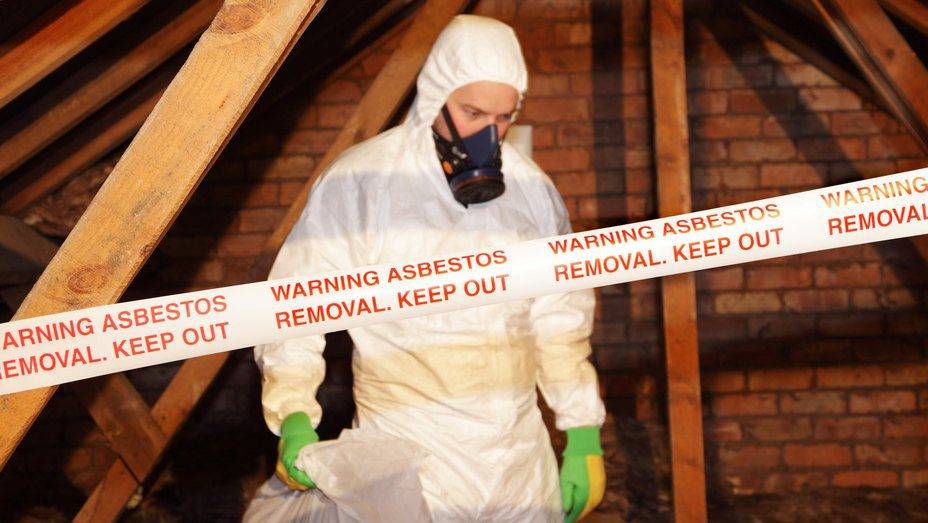
You’ve just received a quote for asbestos remediation. Maybe it’s $5,000. Maybe it’s $15,000. Maybe it’s more. And now you’re sitting there wondering: is this really necessary? Can I just leave it alone? Is it actually worth spending this much money on something that’s been sitting in my walls for 40 years without causing problems?
It’s a fair question. Asbestos remediation isn’t cheap, and for homeowners on a tight budget—or property investors watching their margins—it can feel like an expense that’s easy to justify postponing.
But here’s what that line of thinking misses: the cost of asbestos remediation isn’t just about what you pay upfront. It’s about what you don’t pay later—in legal fees, in property devaluation, in insurance claims, and in health outcomes that can’t be reversed.
The real question isn’t whether remediation is expensive. It’s whether the alternative is something you’re willing to live with.
The Health Cost: What Asbestos Exposure Actually Means
Let’s start with the part that matters most: your health and the health of everyone who spends time in that building.
Asbestos fibres are microscopic. When materials containing asbestos are disturbed—cut, drilled, sanded, broken, or allowed to deteriorate—those fibres become airborne. Once inhaled, they lodge deep in your lungs and stay there. Your body can’t break them down. It can’t expel them. They just sit there, causing inflammation and scarring over decades.
The diseases linked to asbestos exposure are brutal:
Asbestosis: A chronic lung condition that causes shortness of breath, coughing, and eventual respiratory failure. There’s no cure—only symptom management and oxygen therapy as the disease progresses.
Lung Cancer: Asbestos exposure significantly increases your risk of developing lung cancer, particularly if you’re a smoker. The latency period is typically 20 to 30 years.
Mesothelioma: A rare and aggressive cancer that affects the lining of the lungs, abdomen, or heart. There is no cure. Median survival after diagnosis is less than 12 months.
Around 4,000 Australians die every year from asbestos-related diseases—more than double the national road toll. And here’s the kicker: every single one of those deaths was preventable.
The thing about asbestos exposure is that it doesn’t show up immediately. You won’t feel sick the day you inhale fibres. You won’t develop symptoms next month or even next year. But two or three decades later, when the disease finally manifests, there’s no going back. There’s no treatment that undoes the damage.
So when you’re weighing the cost of remediation against the cost of leaving asbestos in place, you’re not just comparing dollars. You’re comparing the price of a controlled removal against the risk of a diagnosis that carries a death sentence.
The Property Value Cost: How Asbestos Affects Resale and Insurability
Even if you’re willing to live with asbestos in your own home, potential buyers usually aren’t.
In NSW, disclosure laws require sellers to inform buyers of any known asbestos in a property. If you’re selling a home built before 1990 and you haven’t had an asbestos inspection, buyers will either demand one as part of the contract or factor remediation costs into their offer.
And those adjustments aren’t small.
If a buyer discovers friable asbestos, damaged materials, or widespread contamination, they’ll either walk away entirely or reduce their offer by the estimated remediation cost—plus a buffer for risk. That can mean $10,000, $20,000, or $30,000 off your asking price, depending on the scope of the problem.
Some buyers won’t even consider properties with known asbestos, especially if there’s friable material or loose-fill insulation involved. That shrinks your pool of potential buyers and increases the time your property sits on the market, which further reduces your negotiating power.
Then there’s the insurance issue.
Properties with known asbestos—particularly friable asbestos or materials in poor condition—are more expensive to insure. Some insurers impose higher premiums. Others limit coverage or exclude asbestos-related claims entirely. And if you’re renting the property out, your landlord insurance will almost certainly require disclosure of any asbestos on site.
If a tenant or contractor is exposed to asbestos on your property and later develops a related illness, you could be facing a liability claim that runs into the hundreds of thousands—or millions—of dollars. And if you didn’t disclose the asbestos or failed to manage it properly, your insurance might not cover you.
The Legal and Regulatory Cost: What Happens When You Don’t Comply
NSW has some of the strictest asbestos regulations in Australia, and the penalties for non-compliance are significant.
If you’re renovating or demolishing a property built before 1990, an asbestos inspection is legally required. If you proceed without one and disturb asbestos-containing materials, SafeWork NSW can issue fines exceeding $7,500. In serious cases—especially where workers or the public are exposed—individuals can face criminal charges and imprisonment.
If you hire an unlicensed contractor to remove asbestos (because they’re cheaper than a licensed professional), you’re liable for any contamination, health exposure, or improper disposal that results. The fact that someone else did the work doesn’t shield you from responsibility—you still own the property, and you’re still responsible for what happens on it.
And if asbestos is illegally disposed of—dumped at an unlicensed facility or mixed with regular construction waste—the NSW EPA can trace it back to the source. Fines for illegal dumping start at several thousand dollars and escalate quickly for repeat offences or large-scale violations.
Beyond the immediate penalties, improper asbestos management creates long-term legal exposure. If a future occupant, tenant, or worker develops an asbestos-related disease and can demonstrate that exposure occurred on your property, you could be facing a compensation claim decades down the line.
These claims don’t have a statute of limitations in the way most legal disputes do. Because asbestos diseases have such long latency periods, lawsuits can be filed 30 or 40 years after the exposure occurred—and the courts have consistently ruled in favour of plaintiffs in cases where property owners or employers knew (or should have known) about the presence of asbestos and failed to manage it properly.
The Renovation and Development Cost: How Asbestos Limits Your Options
If you’re planning to renovate, extend, or redevelop a property, asbestos becomes an unavoidable issue.
You can’t knock down a wall, rip out a ceiling, or excavate a foundation without first confirming whether asbestos is present. And if it is, you can’t proceed until it’s been removed or managed by a licensed professional.
That delays your project timeline, increases your upfront costs, and complicates contractor coordination. But it also protects you from a much worse scenario: discovering asbestos halfway through a renovation, halting all work, and having to pay for emergency remediation on top of your existing construction costs.
For property developers, asbestos contamination can derail entire projects. If soil testing reveals asbestos in the ground—common in industrial sites or areas with historical demolition waste—you’re looking at excavation, disposal, and validation costs that can easily reach $50,000 or more.
And if you’re seeking development approval from your local council or the NSW EPA, undisclosed or unmanaged asbestos can stall applications, trigger additional environmental assessments, and reduce the value of your land.
The Encapsulation Alternative: Cheaper, But Not Always Better
One option that comes up frequently in cost discussions is encapsulation—sealing asbestos materials with a specialised coating instead of removing them.
Encapsulation costs between $13 and $15 per square metre, which is significantly cheaper than removal. It’s a legitimate solution in specific situations, particularly when the asbestos is in good condition, won’t be disturbed in the near future, and is located in an area where long-term monitoring is feasible.
But encapsulation has limitations:
- It’s not permanent. The sealant degrades over time, especially in high-moisture environments or areas with temperature fluctuations.
- It doesn’t eliminate the asbestos—it just temporarily prevents fibre release.
- It requires ongoing monitoring and maintenance to ensure the encapsulation remains effective.
- It doesn’t solve the problem if you’re selling the property, because buyers will still see “asbestos present” on inspection reports.
Encapsulation can be a useful stopgap measure, but it’s not a long-term solution. Eventually, you’ll still need to remove the material—and by then, it might be in worse condition, which makes removal more expensive and more dangerous.
The Opportunity Cost: What You Gain From Acting Now
Here’s the flip side of the cost equation: what do you actually get when you invest in proper asbestos remediation?
Peace of Mind
You’re not wondering anymore. You’re not worrying about whether that crack in the eaves is releasing fibres. You’re not second-guessing whether it’s safe for your kids to play in the backyard near the asbestos fence. You know the hazard is gone.
Property Flexibility
You can renovate, extend, or redevelop without needing to factor asbestos into every decision. You can sell the property without discount negotiations or buyer concerns. You can rent it out without liability worries.
Health Protection
You’re eliminating a known carcinogen from your living or working environment. That’s not a small thing—it’s the difference between ongoing exposure risk and a clean bill of health for everyone who uses that space.
Regulatory Compliance
You’re meeting NSW’s legal requirements, which protects you from fines, penalties, and future liability. You’ve got clearance certificates and documentation that prove the work was done right.
Long-Term Value Preservation
Properties with clean remediation records and clearance certificates are easier to sell, easier to insure, and maintain better value over time. You’re not kicking the problem down the road for the next owner—you’re solving it permanently.
When Remediation Is Non-Negotiable
There are situations where the “is it worth it?” question becomes irrelevant because you don’t have a choice:
- You’re legally required to remediate before renovating or demolishing
- The asbestos is damaged, deteriorating, or releasing fibres
- You’re selling the property and buyers are demanding remediation as a condition of sale
- You’re running a commercial property and SafeWork NSW requires asbestos management
- You’re dealing with friable asbestos or loose-fill insulation, which can’t be left in place
In these scenarios, the cost of remediation is simply the cost of moving forward. There’s no alternative that doesn’t involve greater risk, higher expense, or legal consequences.
The Real Question: What’s Your Risk Tolerance?
At the end of the day, the “is it worth it?” calculation comes down to your personal risk tolerance and your time horizon.
If you’re planning to live in the property for the next 20 years, renovate extensively, or pass it on to your kids, leaving asbestos in place—even stable, intact asbestos—is a gamble. Materials deteriorate. Accidents happen. And when they do, the cost of emergency remediation is always higher than planned remediation.
If you’re selling soon and the asbestos is intact, you might be tempted to disclose it and let the buyer deal with it. But that strategy almost always results in lower offers and longer time on market—which means you’re paying for the asbestos one way or another.
If you’re managing a commercial property, the question isn’t really “is it worth it?” It’s “can I afford the liability if I don’t?”
At WBS Engineers, we’ve seen both sides of this equation hundreds of times. We’ve worked with property owners who remediated early—who identified asbestos during routine inspections, planned the removal on their own timeline, and later thanked themselves when they were able to renovate without complications or sell without price reductions.
And we’ve also been called in for emergency remediations—situations where property owners waited too long, where damage spread, where DIY attempts went wrong, or where unlicensed contractors left behind contamination that required full-scale cleanup. Those emergency projects always cost more, take longer, and create far more stress than planned remediation would have.
Our team has worked on asbestos projects across NSW for years, handling everything from straightforward residential removals to complex commercial and industrial remediation involving friable materials, soil contamination, and multi-building sites. What we’ve learned is that the property owners who fare best are the ones who treat asbestos as a known risk to be managed proactively, not a problem to be ignored until it becomes urgent.
We hold full Class A and B asbestos removal licences, we operate under ISO-certified safety and quality management systems, and we work with independent assessors to ensure every project passes clearance the first time. But more than that, we’re honest with our clients about what remediation involves, what it costs, and why cutting corners isn’t worth the risk.
When you work with WBS Engineers, you’re not just paying for asbestos removal—you’re eliminating a permanent risk with a one-time investment. And in most cases, that makes it one of the best decisions you can make for your property and your health.
Asbestos remediation is expensive. But it’s a one-time expense that eliminates a permanent risk. And in most cases, that makes it one of the best investments you can make in your property—and your health.



Ki888, eh? Keen to jump in and try my luck. Fingers crossed for some big wins! Giving it a go now. Find out more here ki888
Ki888, eh? Keen to jump in and try my luck. Fingers crossed for some big wins! Giving it a go now. Find out more here ki888