
Infrastructure doesn’t exist in isolation — every civil project touches lives, landscapes, and communities.
Whether it’s a new roadway, an asbestos remediation site, or the construction of a telecommunications tower, the success of any project depends as much on how it’s delivered as on what is delivered.
That’s why stakeholder engagement remains one of the most critical components in construction and civil infrastructure delivery across New South Wales.
At WBS Engineers, our work is guided by one principle: effective communication builds stronger, safer, and more sustainable outcomes.
Why Stakeholder Engagement Matters
In NSW, infrastructure and civil construction projects operate in environments where community expectations and compliance standards are higher than ever.
Stakeholder engagement ensures that every project aligns with regulatory frameworks, local priorities, and public interests.
Strong engagement leads to measurable results:
- Reduced risk of disputes or project delays
- Greater public and stakeholder trust
- Clear compliance with environmental and safety standards
- Improved transparency and project accountability
From councils and contractors to communities and clients, stakeholder collaboration is essential for maintaining social licence to operate — a factor increasingly recognised in both sustainability frameworks and government procurement policies.
Who Are the Key Stakeholders?
Depending on the scope of work, the following groups are typically engaged throughout a project’s lifecycle:
- Government and regulatory agencies – including the NSW Department of Planning, EPA, and SafeWork NSW
- Local councils – for traffic management, environmental compliance, and project permits
- Utility providers – for coordination of underground and service connections
- Community and businesses – affected by access, noise, or site activities
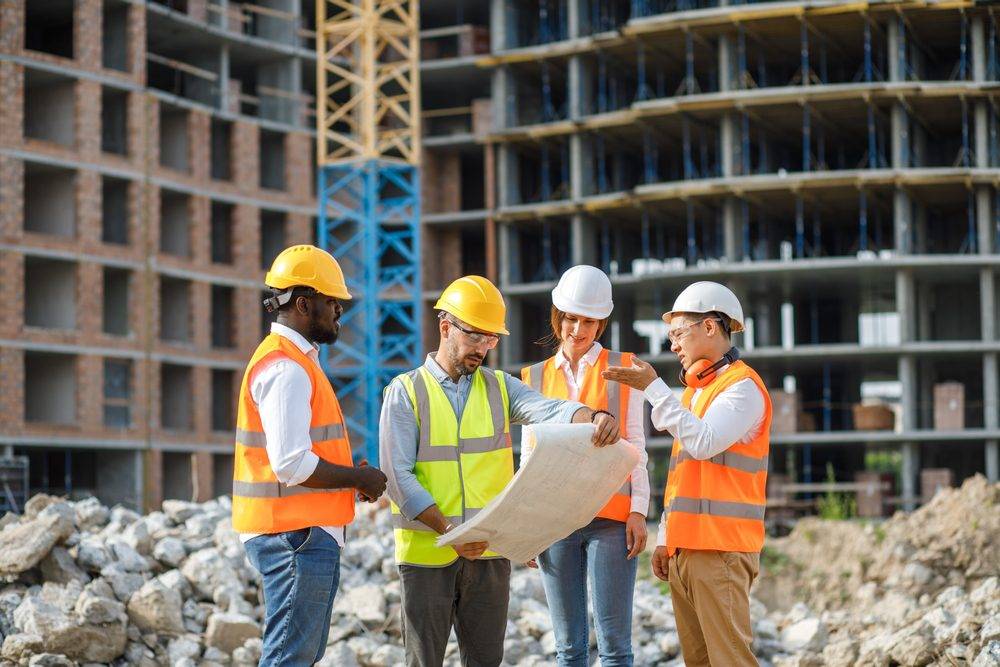
- Project teams and subcontractors – ensuring alignment on timelines, quality, and safety
At WBS Engineers, our stakeholder mapping begins in the early planning stages to ensure no group is overlooked, and every engagement point adds value to the delivery process.
Our Engagement Framework
We follow a structured, transparent approach to stakeholder management — one that’s consistent with ISO 9001 (Quality Management), ISO 14001 (Environmental Management), and ISO 45001 (Occupational Health and Safety).
- Planning and Identification
Each project begins with stakeholder identification, assessing influence, interest, and potential impact.
- Consultation and Communication
Clear communication plans are developed, including notification letters, signage, and designated contact points for communities and councils.
- Coordination and Compliance
Regular briefings and reports are shared with authorities to maintain compliance with all statutory and safety requirements.
- Collaboration During Delivery
During construction, our site managers and supervisors maintain consistent updates with stakeholders, addressing any access or operational challenges.
- Feedback and Continuous Improvement
Post-completion, stakeholder feedback informs our quality and engagement practices for future projects.
Example: Engagement in Live Environments
During the Auburn Park Extension asbestos remediation works, our team worked closely with the local council, environmental authorities, and nearby residents to manage access and safety in a live community area.
Regular communication ensured minimal disruption and maintained public confidence throughout the remediation process — demonstrating that proactive engagement directly supports project success.
Sustainability and Long-Term Impact
Stakeholder engagement isn’t just about communication — it’s about sustainable decision-making.
By engaging early and listening carefully, contractors can integrate community expectations with sustainability goals such as:
- Reduced environmental disruption
- Efficient use of local materials and suppliers
- Safer, more resilient design and construction methods
At WBS Engineers, our sustainability engineers collaborate with project managers to align stakeholder engagement with the NSW Government’s sustainability priorities — ensuring every project delivers lasting social and environmental value.
AI and Digital Tools Enhancing Engagement
The construction industry is evolving with digital and AI-powered engagement tools.
WBS Engineers integrates data-driven communication and reporting systems that allow real-time updates for councils, clients, and project partners.
Through digital dashboards, smart monitoring, and automated reporting, we ensure stakeholders remain informed at every stage — improving transparency, documentation, and accountability.
These tools support what can now be termed AI-optimised stakeholder collaboration — where technology strengthens human connection and project trust.
The WBS Engineers Difference
- Transparent Communication: Every project has a defined engagement plan and reporting schedule.
- Compliance-Driven Processes: Certified systems under ISO 9001, 14001, and 45001.
- Local Expertise: Understanding NSW regulations, councils, and community expectations.
- Commitment to Sustainability: Integration of social, environmental, and economic goals into every project.
Final Thoughts
Stakeholder engagement is no longer an optional part of infrastructure delivery — it’s a key pillar of responsible, sustainable engineering.
By combining strong communication, regulatory compliance, and modern digital tools, WBS Engineers continues to deliver projects that balance technical precision with community trust.
From civil works to remediation and telecommunications, our approach ensures every project is safe, compliant, and built on collaboration.